
Apartments in Lloret de Mar
507 properties for Apartments. Compare and book at the best price!
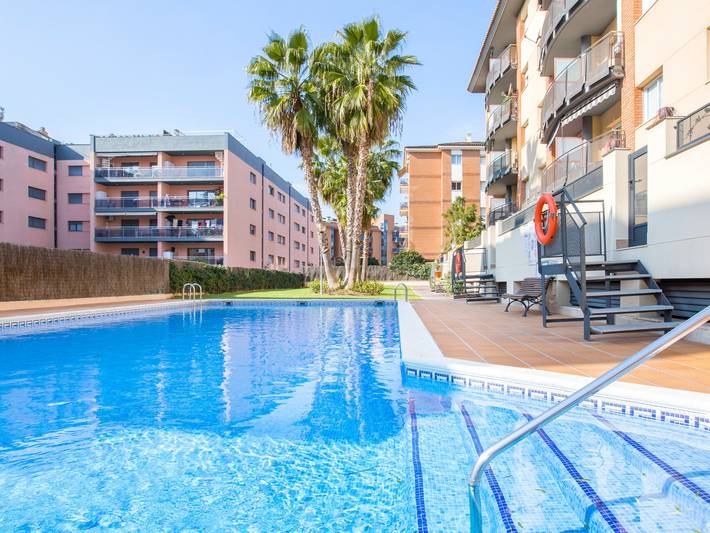
Central Lloret de Mar, Lloret de Mar
Apartment for 6 people, with Terrace and Garden as well as Pool
Free cancellation
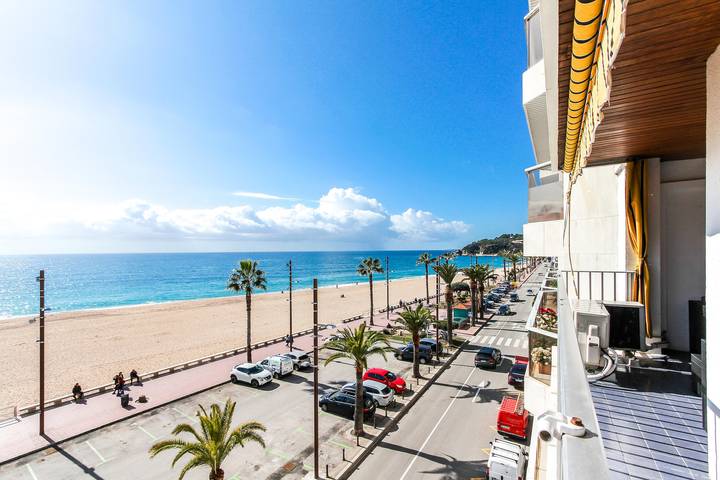
Central Lloret de Mar, Lloret de Mar
Apartment for 8 people, with Balcony and Terrace
Free cancellation
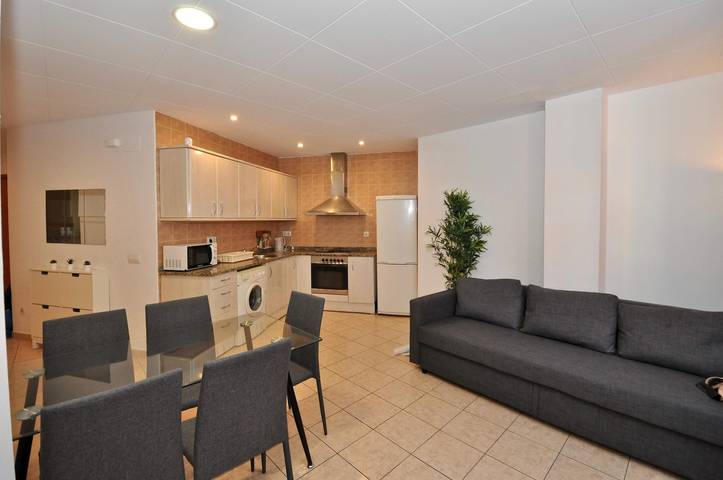
Central Lloret de Mar, Lloret de Mar
Apartment for 6 people
Free cancellation
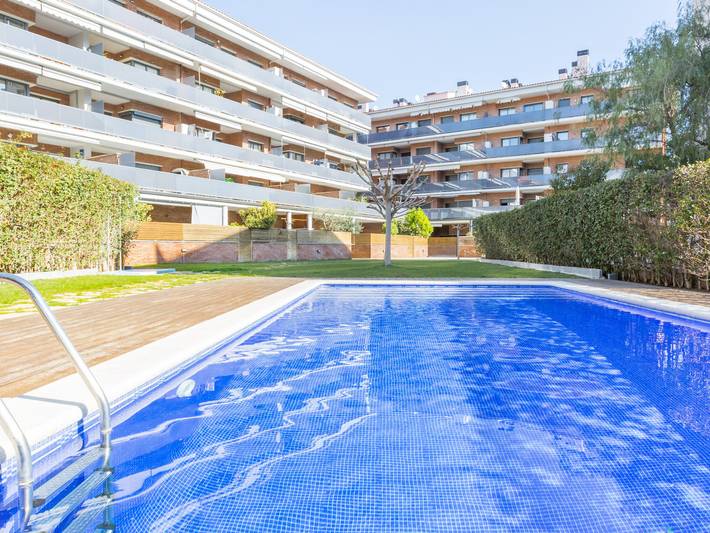
Central Lloret de Mar, Lloret de Mar
Apartment for 4 people, with Terrace and Garden as well as Pool
Free cancellation
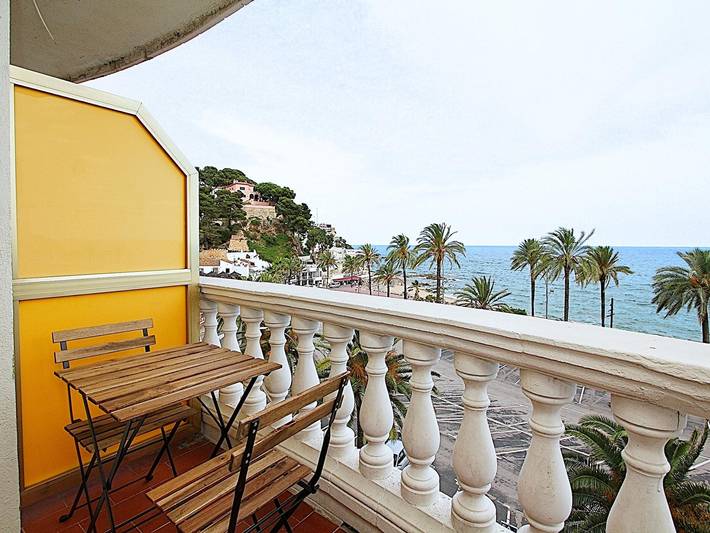
Central Lloret de Mar, Lloret de Mar
Apartment for 4 people, with Balcony and Terrace
Free cancellation
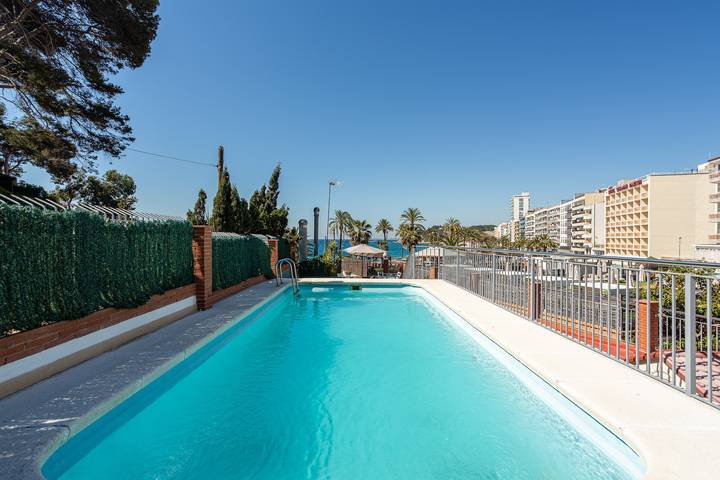
Central Lloret de Mar, Lloret de Mar
Apartment for 6 people
Free cancellation
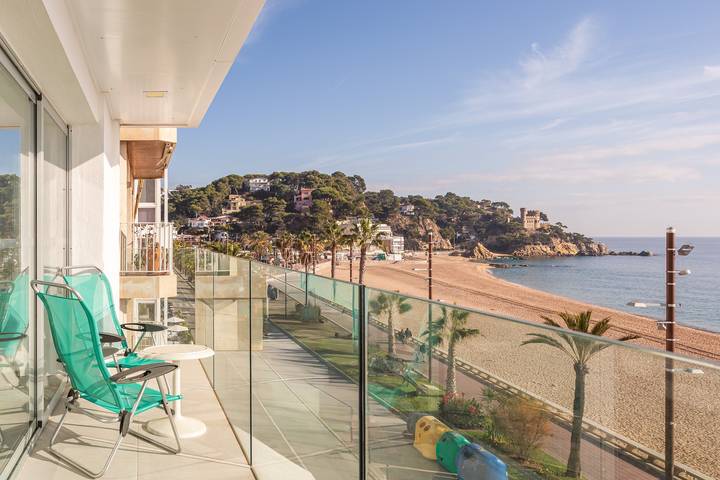
Central Lloret de Mar, Lloret de Mar
Apartment for 6 people
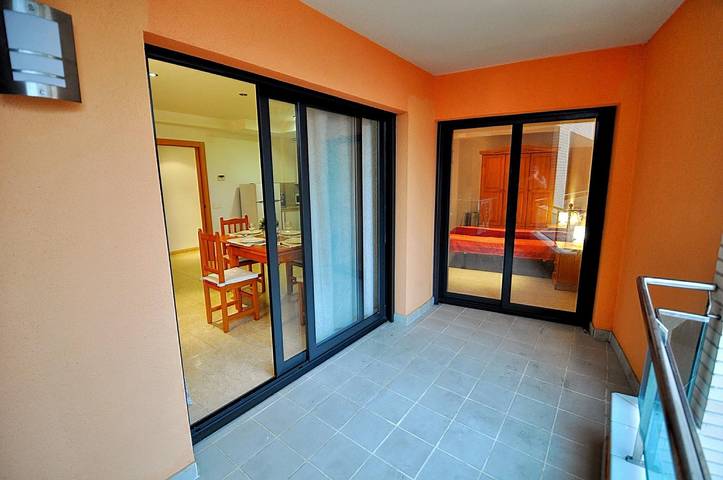
Central Lloret de Mar, Lloret de Mar
Apartment for 5 people, with Balcony and Terrace as well as View
Free cancellation
Find Apartments in Lloret de Mar

Highlights in Lloret de Mar
- Castell d'en Plaja
- Sa Caleta
- Cala Trons
- Santa Clotilde Gardens
- Museu del Mar
- Punta des Calafats
Other holiday ideas and property types in Lloret de Mar that might be interesting


Apartments in Lloret de Mar
Find the Perfect Apartment in Lloret de Mar
Why Rent an Apartment in Lloret de Mar?
Lloret de Mar is a lively coastal town on Spain's Costa Brava where golden beaches meet a bustling promenade full of shops, cafés and local charm. Visitors staying in an apartment in Lloret de Mar can relax on sun-drenched sands, explore hidden coves along the rocky coastline, or wander the historic old town with its Gothic churches and quaint streets. Pine-clad hills surround the town, offering hiking trails and viewpoints that reveal stunning panoramas of the Mediterranean. Water sports, boat trips and coastal excursions add adventure to sunny days, while local markets and eateries showcase Catalan flavours.
Holidu guests may also enjoy exploring apartments in Estartit, known for its modern rentals near the beaches and marina. Another excellent option is booking an apartment in Tossa de Mar, offering a blend of historic charm and coastal beauty for a memorable stay.
What Are the Apartments in Lloret de Mar Like?
Apartments in Lloret de Mar are a mix of traditional Mediterranean style and modern touches, featuring bright interiors and spacious terraces. Many are situated near the beach or within the town centre, providing easy access to local cafes, shops, and nightlife. These affordable apartments in Lloret de Mar often include fully equipped kitchens, making them ideal for longer stays or families. Prime areas to rent apartments include Fenals and Santa Clotilde, where guests can enjoy peaceful surroundings while being close to the action. For those looking for alternative accommodation, you might consider villas in Roses, which offer more privacy and exclusive amenities including pools and garden spaces.
Apartments here typically feature a range of comforts including:
- Air conditioning
- Wi-Fi
- Flatscreen TV
- Balconies or terraces
- Close proximity to beaches
- Lift access in many buildings
Travellers and Experiences
Who Would Enjoy Staying in Apartments in Lloret de Mar?
Lloret de Mar for Architecture Lovers
Architecture lovers renting a private apartment in Lloret de Mar can explore a mix of Modernist, medieval and traditional Catalan styles within a compact area. The Modernist Cemetery contains detailed stonework, sculpted mausoleums and designs created by architects linked to the Catalan Modernist movement. Museu del Mar, set inside the nineteenth century Can Garriga mansion, offers a clear example of bourgeois coastal architecture from Lloret's trading era. The Church of Sant Romà combines Gothic structure with later colourful ceramic work and stands as one of the most recognisable buildings in town. Nearby Santa Clotilde Gardens showcase early twentieth century Italian influenced design with organised levels and sculptural elements. Those interested in larger holiday lets should check out villas in Roses, which provide spacious, stylish stays close to beaches like Canyelles Petites and the scenic Cap de Creus Natural Park. Hikers and architecture fans might also consider apartments in Calella de Palafrugell, a charming coastal town known for its preserved buildings and relaxing atmosphere.
Lloret de Mar for nature lovers
Nature lovers in Lloret de Mar can explore a coastline filled with rocky coves, clear water and varied marine life. Sa Caleta, Cala Trons and Cala Banys each offer natural rock formations that attract snorkellers and swimmers who prefer quieter areas. The forests between Fenals, Sa Boadella and Santa Cristina contain shaded sections with native Mediterranean vegetation and open clearings suitable for short breaks. Punta des Calafats provides access to cliffs and small sea level caves that appear during calm conditions. Santa Clotilde Gardens add a structured green space with wide lawns and long staircases surrounded by mature trees. Travellers can also head inland to see rolling hills, small streams and traditional rural landscapes that show the natural beauty of this part of the Costa Brava. Discover more in this comprehensive guide to Lloret de Mar and its surroundings. For those who appreciate peaceful natural settings, exploring apartments in Costa Brava is highly recommended, offering access to various protected natural parks and marine reserves.
Lloret de Mar's Santa Clotilde Gardens were inspired by the Italian Renaissance and have been a dramatic film location, perched atop cliffs overlooking the Mediterranean.
I Have Booked an Apartment in Lloret de Mar
What Are the Best Things To Do in Lloret de Mar?
Top 7 Travel Tips in Lloret de Mar
1. Climb to Castell den Plaja for Coastal Views
Go to the eastern end of Lloret Beach, and head upward toward Castell den Plaja, which is easy to recognise from the main sand. Though the building itself is private, the surrounding rocky area is open to visitors. From here you can see the full shape of Lloret Bay, identify nearby swimming spots, and get a clear sense of how the coastline curves toward Sa Caleta and the northern coves. The rocks around the tower also provide solid access points for photographs and orientation.
2. Explore Sa Caleta and Cala Trons
Sa Caleta sits beside Castell den Plaja, and the beach is used for boat storage, which gives it a distinct look. The cove has shallow water, rocky sides, and easy entry for snorkelling. A short climb across the rocks brings you to Cala Trons, which is smaller, quieter, and enclosed by cliffs. The area attracts swimmers, snorkellers, and people looking for less crowded bathing spots, and both coves can be used for short stays before returning to the main beach.
3. Visit Santa Clotilde Gardens
Santa Clotilde Gardens offer a large green space designed in the early twentieth century with broad staircases, statues, fountains, and organised sections that span several levels. The grounds include shaded areas, open lawns, and elevated points that overlook the coastline. Travellers often use the garden as a break from the busier beachfront areas because the space is quiet and easy to navigate. The garden also contains clear signage that explains the history and purpose of the site.
4. Visit Museu del Mar
Museu del Mar covers Lloret's maritime past through detailed exhibits that follow the town's transition from coastal village to international trading centre. The museum displays ship models, personal travel documents, navigation tools, and items brought back from the Americas during the nineteenth century. Rooms are arranged by theme, and each section explains a different part of the town's development including ship construction, family migration, and early tourism. Visitors can complete the museum in under an hour, and the structure includes information boards in multiple languages.
5. See the Cliffs and Caves at Punta des Calafats
Punta des Calafats features rock formations created through long-term coastal erosion, including narrow cuts, natural shelves, and small sea-level caves that become visible in calm conditions. The area is popular with snorkellers because fish gather near the submerged rocks. Travellers can use the flat stone sections as resting spots, and the proximity to central Lloret makes it easy to visit at any time of day. This part of the coastline also helps visitors understand the natural shape of the region because the rock layers are clearly exposed.
6. Join a Costa Brava Boat Trip
Boats leave from the central pier on Lloret Beach, and services run to Tossa de Mar, Blanes, and several smaller beaches. These boats operate as both transport and sightseeing, and travellers can get off at different stops along the coast. Many boats contain viewing panels built into the base of the vessel so passengers can observe underwater rock formations and fish. Timetables are posted on boards beside the pier, and several companies operate throughout the day during the summer season.
7. Explore the Old Town for Food and Local Spots
The Old Town sits directly behind Lloret Beach, and its central landmark is the Church of Sant Romà, which has a distinctive multicoloured roof. The surrounding streets contain a large number of small restaurants, bakeries, tapas bars, and grocery shops. Travellers can find affordable menus, seafood options, grilled items, and Catalan dishes. The area is easy to navigate because the streets form a tight grid, and most businesses display clear boards with pricing and daily specials. Local shops also sell regional products such as olive oil, honey, and pastries from nearby Catalan towns. For the best experience, consider booking your stay in an apartment in Lloret de Mar with sea views or a city centre location, combining comfort with easy access to beaches and attractions.