
Holiday rentals and lettings in The Dingle Peninsula
Start comparing over 168 rentals in Dingle Peninsula and book at the best price!
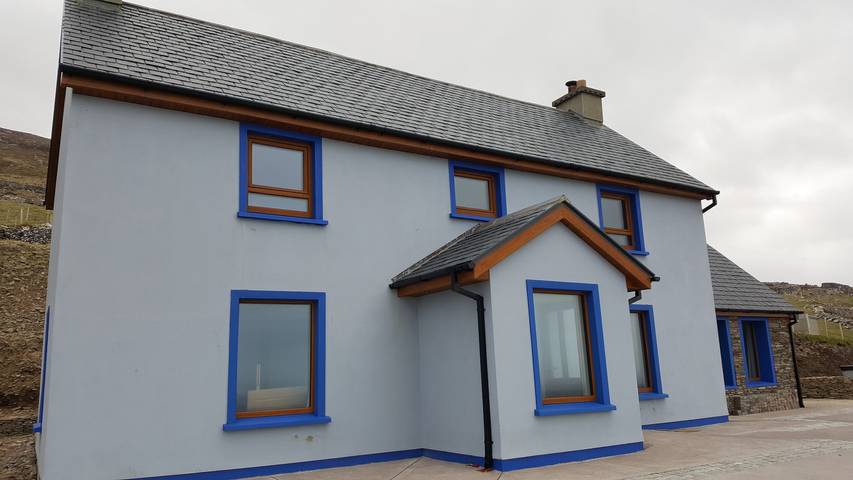
Dingle Peninsula, County Kerry
Holiday rental for 10 people, with Ocean view and Terrace
Free cancellation
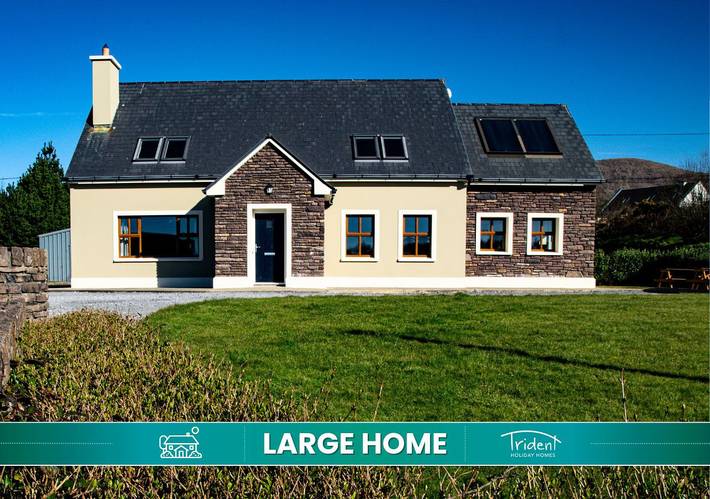
Dingle Peninsula, County Kerry
Holiday rental for 11 people, with Garden
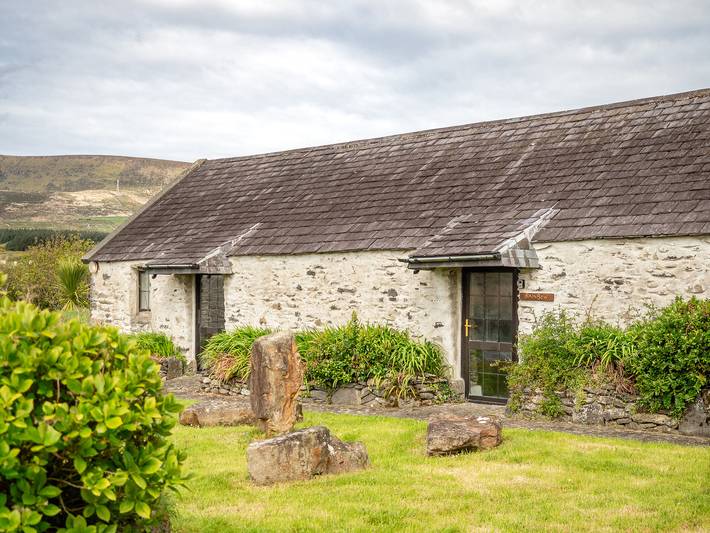
Dingle Peninsula, County Kerry
Holiday rental for 4 people, with Garden
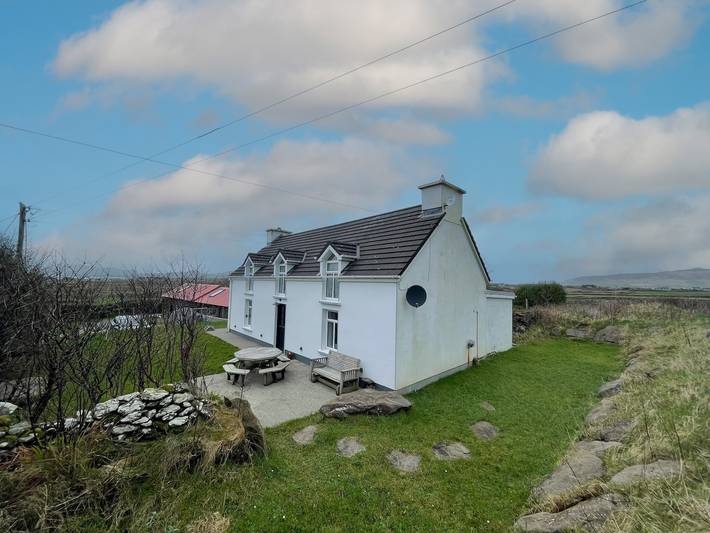
Dingle Peninsula, County Kerry
Holiday rental for 6 people, with Garden
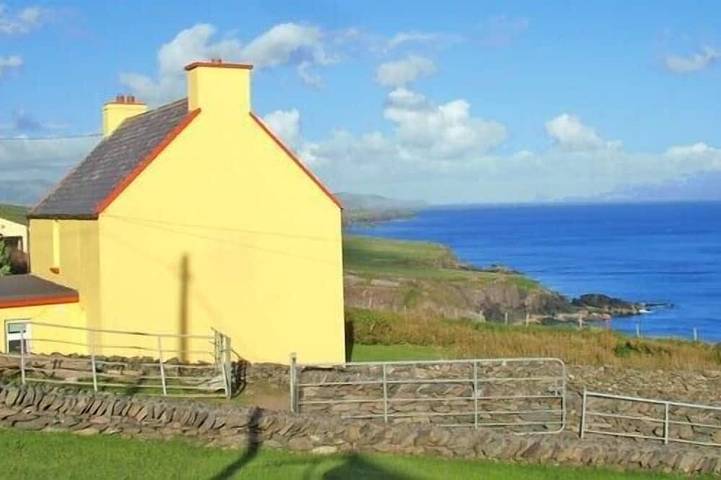
Dingle Peninsula, County Kerry
Holiday rental for 8 people, with Garden
Free cancellation
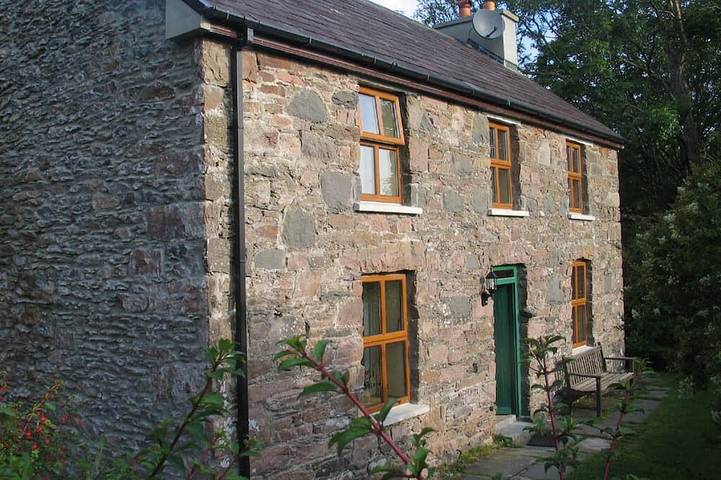
Dingle Peninsula, County Kerry
Holiday rental for 7 people, with Garden
Free cancellation
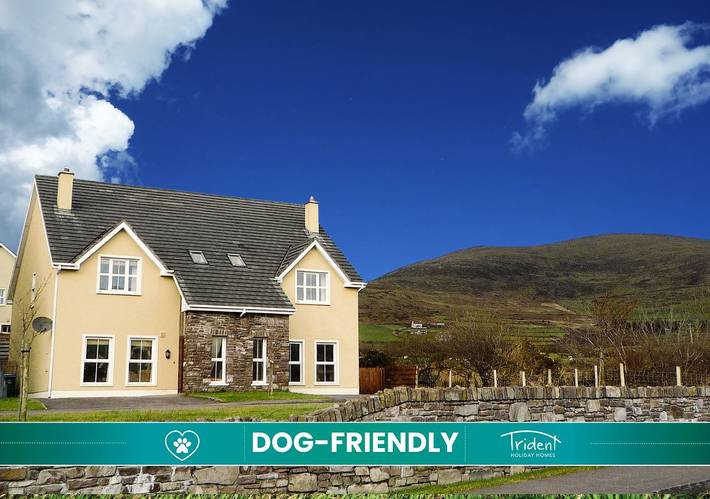
Dingle Peninsula, County Kerry
Holiday rental for 6 people, with Garden
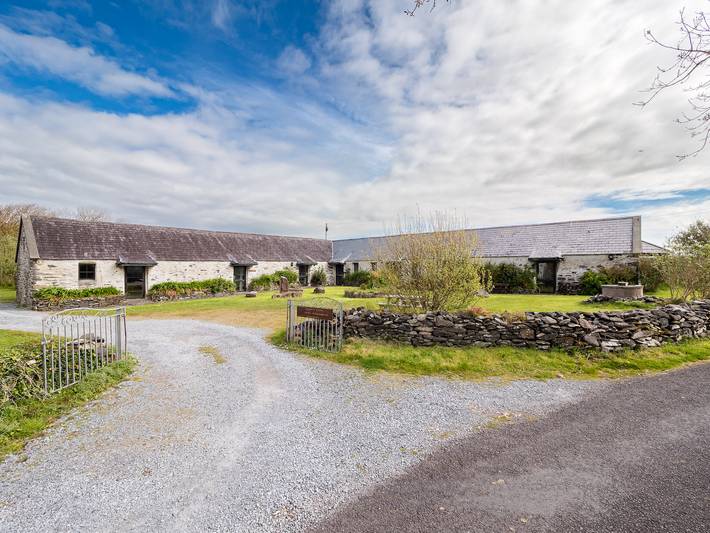
Dingle Peninsula, County Kerry
Holiday rental for 3 people, with Garden
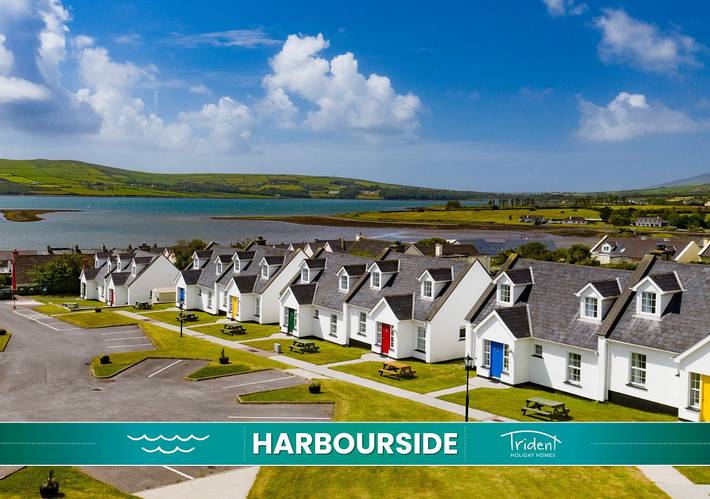
Dingle Peninsula, County Kerry
Holiday letting for 6 people, with Garden
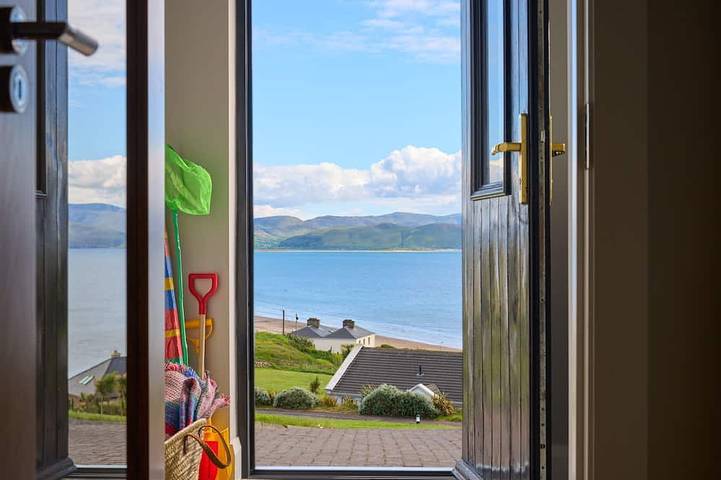
Dingle Peninsula, County Kerry
Holiday rental for 6 people, with Terrace and Garden
Free cancellation
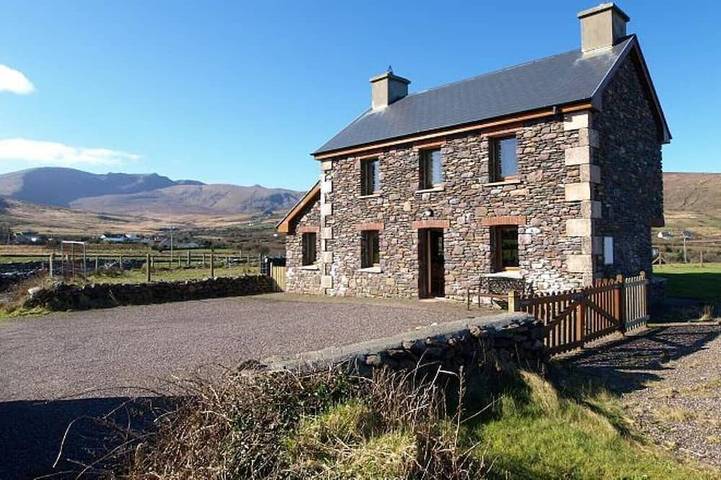
Dingle Peninsula, County Kerry
Holiday rental for 7 people, with Terrace and Garden
Free cancellation
Find Holiday Rentals & Lettings in Dingle Peninsula

- Many highly rated stays
- Many stays with free cancellation
Highlights in Dingle Peninsula
- Slea Head Drive
- Gallarus Oratory
- Blasket Islands
- Mount Brandon
- Inch Beach
- Conor Pass
- Dingle seafood
Other holiday ideas and property types in Dingle Peninsula that might be interesting


Prices and availability
Current Holiday letting prices Dingle Peninsula
Table of Contents
At a glance: What should you know about renting a holiday letting on the Dingle Peninsula?
- Cottages and rural retreats: Traditional stone cottages, converted farm buildings and modern houses sit along the coast at Ventry, Cloghane and Dingle town, most sleeping between two and ten guests.
- Base yourself thoughtfully: Dingle town suits pubs and restaurants, Inch and Ventry suit beach days, and Cloghane puts Mount Brandon on your doorstep.
- Highly rated by guests: Our best-reviewed lettings on the peninsula score 9.8+ and above, praised for sea and mountain views, wood-burning stoves and warm local hosts.
- When to travel: May and June bring the longest days and driest weather, September keeps the warmth without the queues, and winter is quiet, stormy and cheaper.
- Things to do: Drive the Slea Head Drive, visit the Gallarus Oratory, sail to the Blasket Islands, walk Inch Beach and hear traditional music in Dingle.
Holiday lettings on the Dingle Peninsula: find your perfect retreat
What types of accommodation are available?
Corca Dhuibhne, the peninsula’s Irish name, is holiday-cottage country. Whitewashed stone cottages with turf stoves sit beside converted farm buildings, modern coastal houses and a handful of glamping cabins and pods tucked into working farmland. Most sleep two to ten guests, and many are family-run. Self-catering suits the peninsula, where the nearest shop can be a drive away. Typical amenities include:
- Sea or mountain views over Dingle Bay, Brandon Bay or Slea Head
- Wood-burning stoves or open fireplaces for damp Atlantic evenings
- Well-equipped kitchens for cooking the day’s catch from Dingle pier
- Off-road parking, essential on the peninsula’s narrow boreens
- Enclosed gardens and drying rooms for walking gear, and dog-friendly options across Ireland
Book early for July and August; the peninsula ranks among Europe’s hidden-gem holiday destinations and stock is small.
What are the best areas to stay on the Dingle Peninsula?
Dingle town is the natural base for a first visit, with the harbour, restaurants and pubs within walking distance. The table below details regions for specific interests:
| Area | Best for | Advantages |
|---|---|---|
| Dingle (An Daingean) | First-time visitors | Harbour, seafood restaurants and nightly traditional music, plus boat trips to the Blasket Islands and the best choice of shops on the peninsula. |
| Ventry | Beach days | A long, sheltered sandy strand at the start of the Slea Head Drive, calm enough for paddling and only ten minutes’ drive from Dingle town. |
| Dún Chaoin | Gaeltacht culture | The peninsula’s westernmost village, where Irish is the everyday language, with the Blasket Centre and the ferry pier for Blascaod Mór close by. |
| Cloghane and Brandon | Walkers | The quiet north coast beneath Mount Brandon, with trailheads for the summit, miles of empty beach at Brandon Bay and very dark night skies. |
| Inch and Annascaul | Surfers and families | A three-mile sandspit for surf lessons and long walks, with Annascaul village and its pubs a short drive inland on the Tralee road. |
What do our guests say?
Guests staying on the Dingle Peninsula consistently mention the same things: the view from the kitchen window, the welcome from hosts who tell you which beach to walk at low tide, and how quickly the drive to Slea Head becomes a daily habit. Ratings of 9.5+ are common here, and the highest-scoring properties tend to be the smaller, owner-run cottages rather than large complexes.
Here are our top-rated holiday lettings from the past year:
- ’A House to Live for -View to Die for’. - 9.9+: An eight-guest house on the peninsula with a garden and balcony, singled out by guests for its sweeping views and generous space.
- Tiny House Glamping - On the Wild Atlantic Way 5 minutes from Tralee - 9.9+: A two-person lodge at the eastern gateway to the peninsula, praised for its cosy setup and easy access to the Wild Atlantic Way.
- Luxurious 4 star dormer cottage in Cloghane Dingle Peninsula - 9.8+: A cottage for eight in Cloghane on the north coast, with a hot tub, terrace and Mount Brandon rising behind it.
Exploring the Dingle Peninsula: our top recommendations
The Dingle Peninsula reaches west into the Atlantic from County Kerry, ending at Ireland’s most westerly mainland point.
✈️What is the best way to get to the Dingle Peninsula?
Flying to Kerry Airport and hiring a car is the quickest route from the UK, though a car of some kind is effectively essential once you arrive. Here are the most common ways to get to the peninsula:
- Plane and hire car: Kerry Airport at Farranfore is the closest, roughly an hour’s drive from Dingle town, and handles a small number of UK routes. Cork and Shannon airports have far more choice and sit around two to two and a half hours away by road. Car hire is available at all three; book it well ahead for the summer months, as Kerry’s fleet is small.
- Car and ferry: Dublin is about four hours away by road via the M7 and N21, so many visitors combine the peninsula with a wider Irish trip. From Dublin Port or Rosslare you can bring your own vehicle across from Britain. Note that the Conor Pass, the scenic route between Dingle town and the north coast, is narrow, steep and unsuitable for large vehicles, campervans and caravans, which should use the Tralee road instead.
- Train and bus: Irish Rail runs to Tralee from Dublin Heuston, changing at Mallow, and Bus Éireann route 275 continues from Tralee into Dingle town. It is a workable car-free option for a town-based stay, but services onward to Slea Head, Cloghane and the smaller villages are sparse.
🥗Where to eat on the Dingle Peninsula?
According to Google Maps data and reviews, The Humble Fishmonger is the best rated restaurant on the Dingle Peninsula. Below is a table showing the top 5 highly-rated restaurants hand-picked by our travel experts.
| Restaurant Name | Review Score | Recommended For |
|---|---|---|
| The Humble Fishmonger | 4.9/5 | Fresh fish counter dishes |
| 505 | 4.9/5 | Small seafood plates |
| The Fish Box - Dingle | 4.7/5 | Fish and chips |
| Doyle’s Seafood Restaurant | 4.7/5 | A long, relaxed dinner |
| Out of the Blue | 4.7/5 | The day’s catch only |
⭐Our guests’ recommendation: Our guest traveller Charlotte recommends the Solas Tapas & Wine in Dingle: a small, candlelit room off the main street where sharing plates and a good wine list make a welcome change from a week of chowder.
☀️When is the best time to visit?
The Dingle Peninsula is at its best between May and September. Late spring brings the longest dry spells and wildflowers along the boreens, July and August are warmest but busiest on the Slea Head Drive, and September holds onto mild sea temperatures while the roads quieten again.
Spring (March to May)
- Best for: Walkers, photographers and anyone wanting Slea Head largely to themselves.
- Weather: Cool and changeable, with around 10-14°C by May and the driest stretch of the Irish year.
- Atmosphere: Quiet villages waking up, with the Féile na Bealtaine arts festival filling Dingle in early May.
Summer (June to August)
- Best for: Families, beach days at Inch and Ventry, and boat trips to the Blasket Islands.
- Weather: Mild rather than hot, usually 15-19°C, with long evenings and light until nearly 10pm in June.
- Atmosphere: Busy and lively, with music every night in Dingle’s pubs and the Dingle Races in August.
Autumn and winter (September to February)
- Best for: Storm-watching, food lovers and couples after a fireside break at lower prices.
- Weather: Wet and windy, cooling from around 15°C in September to 8°C in January, but rarely freezing.
- Atmosphere: Calm and local, with the Dingle Food Festival in October and Other Voices in December.
⭐Our Hosts’ recommendation: Our Dingle Peninsula local expert, the resident host of Special Weekly Discounts! Traditional stone cottage in beautiful West Kerry recommends coming to visit the west of the peninsula slowly rather than racing round Slea Head in a morning. Base yourself near Ballyferriter, walk the quiet sands of Béal Bán at low tide, call into the Gallarus Oratory before the coaches arrive, and drive the Conor Pass early, when the road is empty and the light is best. You can read more about local tips on the host’s page.
Did you know the Blasket Islands were inhabited until 1953, when the last islanders were resettled on the mainland, leaving behind a remarkable body of Irish-language literature you can explore at the Blasket Centre in Dún Chaoin?
Activities: What are the top things to do and see on the Dingle Peninsula?
- Drive the Slea Head loop
- Sail to the Blasket Islands
- Climb Mount Brandon
- Beach day at Inch
- Traditional music in Dingle
-
Drive the Slea Head loop
The Slea Head Drive is a 47-kilometre circuit west of Dingle town and the single best introduction to the peninsula. It passes the beehive huts at Fahan, drystone cells built by early Christian monks, and the Gallarus Oratory, a corbelled stone church still watertight after more than a thousand years. Stop at Coumeenoole, the cove used as a filming location for Ryan’s Daughter, and at the viewing points over the Blaskets. Drive it clockwise, as the coaches do, and allow half a day rather than two hours.
-
Sail to the Blasket Islands
Ferries run from Dingle marina and Dún Chaoin pier out to Blascaod Mór, the largest of the Blasket Islands, between spring and early autumn. You land on an abandoned village of roofless stone houses, walk paths grazed only by sheep, and often share the crossing with dolphins and grey seals. The Blasket Centre in Dún Chaoin sets the islands in context before or after you sail. Crossings depend entirely on the swell, so build flexibility into your plans and book on a settled morning.
-
Climb Mount Brandon
At 952 metres, Mount Brandon is one of Ireland’s highest peaks and its most rewarding coastal climb. The gentler Pilgrim’s Path from Ballybrack near Cloghane climbs steadily past white crosses to the summit, where the view runs the length of the peninsula and out to the Blaskets. Allow four to five hours and check the forecast, as cloud closes in quickly. Walkers based across Ireland rate it among the country’s finest days out; the ridge route from the eastern corries is steeper and best left to experienced hillwalkers.
-
Beach day at Inch
Inch Beach is a three-mile sandspit reaching out into Dingle Bay, firm enough to walk for an hour without turning back. Surf schools run beginner lessons through the summer, the shallows suit paddling with small children, and the beach car park makes it one of the easiest stops on the drive in from Tralee. Come back after dark for some of the clearest stargazing on the peninsula. For calmer swimming, Ventry and Coumeenoole offer smaller, more sheltered alternatives further west.
-
Traditional music in Dingle
Dingle town keeps more pubs per resident than almost anywhere in Ireland, and music sessions run most nights of the year rather than only in summer. Wander Green Street and Strand Street and follow the sound; players simply gather around a table, and there is no stage or ticket. The west of the peninsula is a Gaeltacht, so you will hear Irish spoken and sung as an everyday language. Pair a session with a seafood dinner, or with a day trip inland to Killarney.
Information about holiday lettings in Dingle Peninsula
| 🏡 Holiday lettings available: | 134 properties. |
|---|---|
| 💳 Discount available: | up to -44%. |
| 🌙 Minimum price per night: | from £30. |
| ⭐ Most popular amenities: | Wi-Fi, garden and balcony. |
| 🐾 Pet-friendly: | 36 properties. |