Reduce your holiday rental's carbon footprint
What CO2 offsetting is and how to reduce emissions in holiday homes
April 2026
Holiday rentals have been a significant part of the tourism sector for several years now. The success of short-term lets has certainly allowed travellers to save substantial amounts of money and enjoy maximum freedom, breathing new life into the entire holiday movement. However, every single stay generates a small environmental impact, which becomes quite considerable when you look at the entire volume of short-term lets. Among the causes that contribute to carbon dioxide emissions are air conditioning, electricity, and waste. Here’s how to reduce the environmental impact of holiday homes and how to offset CO2 emissions.
Where do emissions in holiday lets come from?
Generally, CO2 emissions are considered when quantifying environmental impact. Linking this to holiday rentals, various factors influence the production of emissions and the resulting pollution. Let’s see what contributes most significantly:
- Energy consumption: This is the item with the biggest impact. To ensure an impeccable environment for guests, it’s necessary to use electricity or gas to heat and cool the home, as well as to provide hot water. Energy is also used for many other purposes, such as powering the fridge, lighting interiors and any outdoor spaces, and keeping the property perfectly clean. The heaviest consumption is caused by large appliances, including washing machines, tumble dryers, and water heaters.
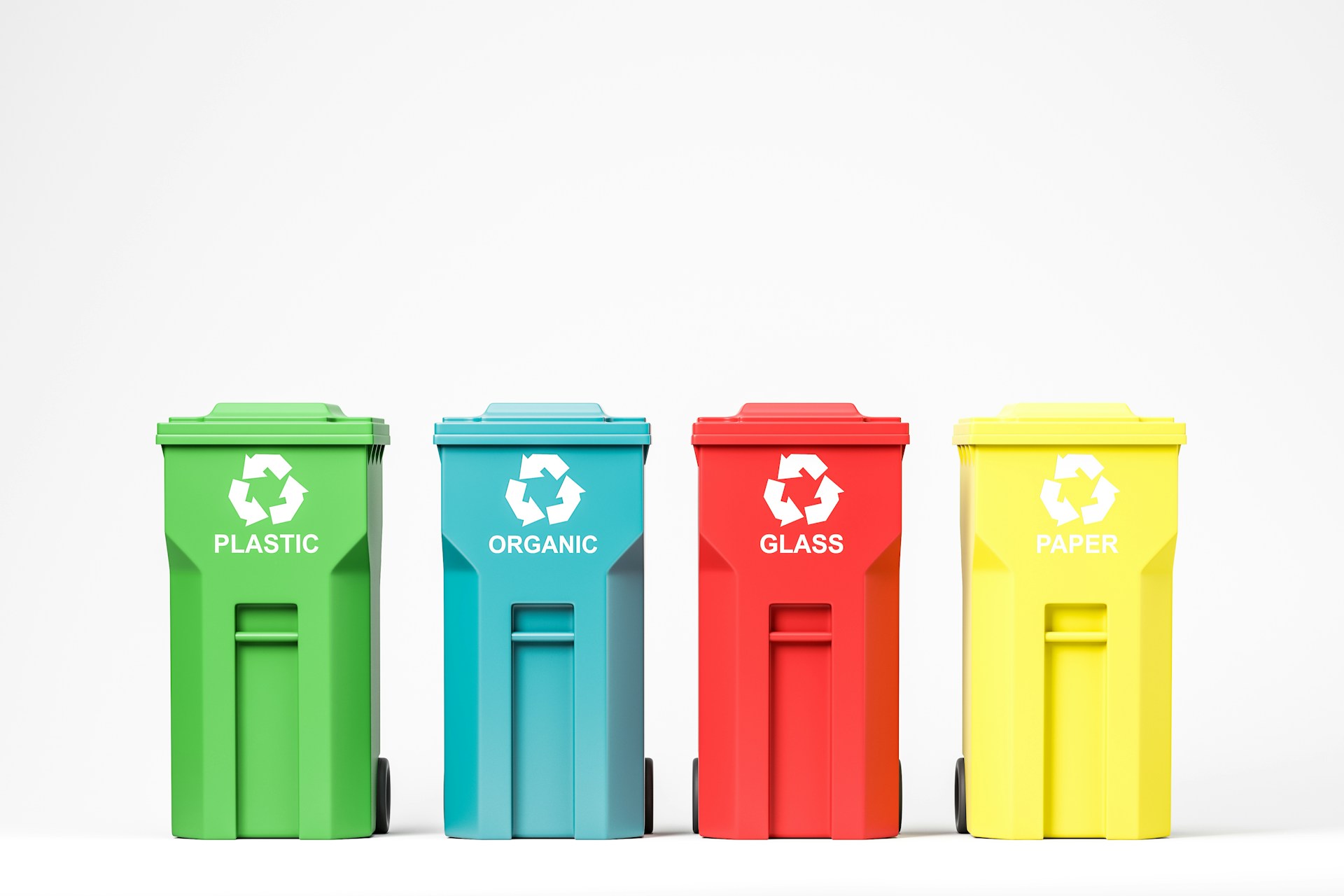
- Waste: From plastics to organic waste, from paper to general waste, a holiday home with a good occupancy rate generates a significant amount of waste.
- Water: Renting a holiday apartment also means consuming a lot of water, especially if your property has a continuous flow of guests.
How to calculate your environmental impact
The first step to managing emissions is to calculate the environmental impact of listing a holiday accommodation. You can use dedicated software to do this; you’ll find them easily online. These programmes usually require you to enter a series of data related to your holiday home and the services you offer guests. Here are the main ones:
- The size of the property
- The average number of nights the holiday home is occupied
- The presence of any renewable energy sources
- The type of heating and air conditioning system
- The availability of a swimming pool.
Once you have the data, the environmental impact calculator will give you a fairly reliable annual value that you can use as a baseline.
How to offset CO2 emissions
To balance the inevitable CO2 emissions produced by a holiday home, the most effective system is to offset them. You can do this by funding projects that aim to reduce the environmental impact generated by human activities. For example, if your holiday home produces 500 kilograms of carbon dioxide annually, you have the option to offset this by investing in specific projects that will:
- Carry out reforestation and forest conservation.
- Launch projects related to renewable energy, including solar, hydroelectric, and wind.
- Capture and utilise methane from intensive farming and landfills.
- Promote energy efficiency concepts in developing countries.
To enter the world of carbon offsetting, you can choose from numerous organisations and purchase a number of carbon credits equivalent to your annual emissions. Before selecting a provider, carefully calculate the amounts of CO2 you’ve been responsible for and ensure that:
- The projects presented are traceable and clear.
- Thorough checks are available regarding the effectiveness of the various programmes carried out.
- The offsetting is part of a detailed environmental impact reduction plan.
How to reduce carbon dioxide emissions: strategies
Carbon offsetting is certainly a good solution for committing to a green approach. However, as a host of one or more holiday homes, you can implement various strategies to significantly reduce the amount of carbon dioxide produced by your activity.
Reduce energy consumption
There are various reasons that lead to consuming, and sometimes wasting, energy. Some tips are very simple to implement and allow you, in addition to reducing environmental impact, to save quite a bit of money. Here are some examples:
- Use smart thermostats: These optimise the temperature inside the home depending on whether guests are present or not. This way, the house will always have an ideal climate and electricity consumption will be controlled.
- Install LED light bulbs: The latest generation of light bulbs consume about 80% less than old halogens. This can effectively contribute to reducing consumption.
- Check for heat loss: Draughts from doors and windows, uninsulated walls, and leaky roofs cause a greater reliance on heating and air conditioning the property. Replace inadequate fixtures and check the efficiency of the structure.
- Renew appliances: Focus on low-consumption models, opting for certified products with an energy class of at least A++. You’ll be able to reduce the environmental impact, especially in the case of washing machines, fridges, and air conditioners, recovering the expense in the short/medium term.
- Use renewable energy sources: In addition to photovoltaics, which generate free and clean electricity, and solar thermal, which produces hot water by exploiting the sun’s radiation, you can install solar lights for the exterior, capable of effectively illuminating without impacting your electricity bill.
Waste collection
To ensure your guests are diligent when it comes to waste separation, provide clear instructions on how to proceed and offer them specific bins for different types of waste. Try to reduce the amount of plastic packaging, for example, by preferring glass bottles and dispensers for the bathroom and kitchen. If you have an outdoor space, you can compost organic waste. Attention to waste separation contributes to building a good reputation on your holiday rental portal, by receiving positive reviews from those who are environmentally conscious.
Promoting sustainability
You can make your holiday home more sustainable by following a few simple steps:
- Purchase products made from natural materials, from bed linen to towels, and the various amenities you provide for guests.
- Furnish with FSC-certified wooden furniture or buy second-hand products, which don’t generate new production processes.
- Use eco-friendly and biodegradable hygiene products.
- Install water flow reducers in taps, to lower water consumption, limiting the waste of resources and money.
- Offer your guests locally produced food: this will support the local economy and, at the same time, help reduce emissions related to product transport.
- Educate your guests on the topic using channels such as social media or your holiday rental website.