How to soundproof your holiday rental and reduce noise
July 2026
If you’re wondering how to reduce noise in a holiday home, you’re in the right place. Through structural choices and smart management strategies, we’ll help you keep your holiday rental noise-free, with practical noise reduction for rentals that you can put into action straightaway.
Noise is a sensitive issue for everyone involved in a holiday rental. Guests want to enjoy their stay without having to whisper. Hosts want their guests to have a good time while staying in harmony with the neighbourhood. And the people living nearby don’t want guest noise disturbing them. So it all comes down to mutual respect and sticking to a regulatory framework built on individual responsibility and understanding between everyone involved. That said, to properly soundproof a holiday home, you can also make structural choices that help bring the decibels down.
In this article, we’ll suggest strategies to reduce noise, both in how you set up the property and how you manage bookings.
Noise regulations for a holiday rental in the UK
Noise rules in the UK are enforced locally by each council under the Environmental Protection Act 1990, so there can be some variation depending on where your property is. As a general rule, noise that’s “prejudicial to health or a nuisance” can be treated as a statutory nuisance, and councils can issue an abatement notice requiring you to bring it under control. The Noise Act 1996 specifically targets excessive noise from a dwelling at night, broadly between 11pm and 7am, giving councils the power to issue a warning notice followed by a fixed penalty if the noise continues.
If your property is a leasehold flat, it’s also worth checking your lease: some freeholders and managing agents require permission before you can let short-term at all, and noise complaints from other residents can put that permission at risk. Breaching local noise rules can lead to anything from a warning to fines of up to £5,000, depending on how persistent the noise is and how loud it gets.
How to soundproof a holiday rental with structural solutions
A property’s structure, the materials used, and its furniture and appliances are your main allies when it comes to soundproofing a rental property. Here are the most common methods.
Choose noise-absorbing materials
How well you soundproof a holiday home depends heavily on what it’s built from. Materials like rock wool, cork composite or fibreglass are particularly good at insulating a house or flat and keeping rooms quiet, a solid answer to how to soundproof a room without a full renovation.
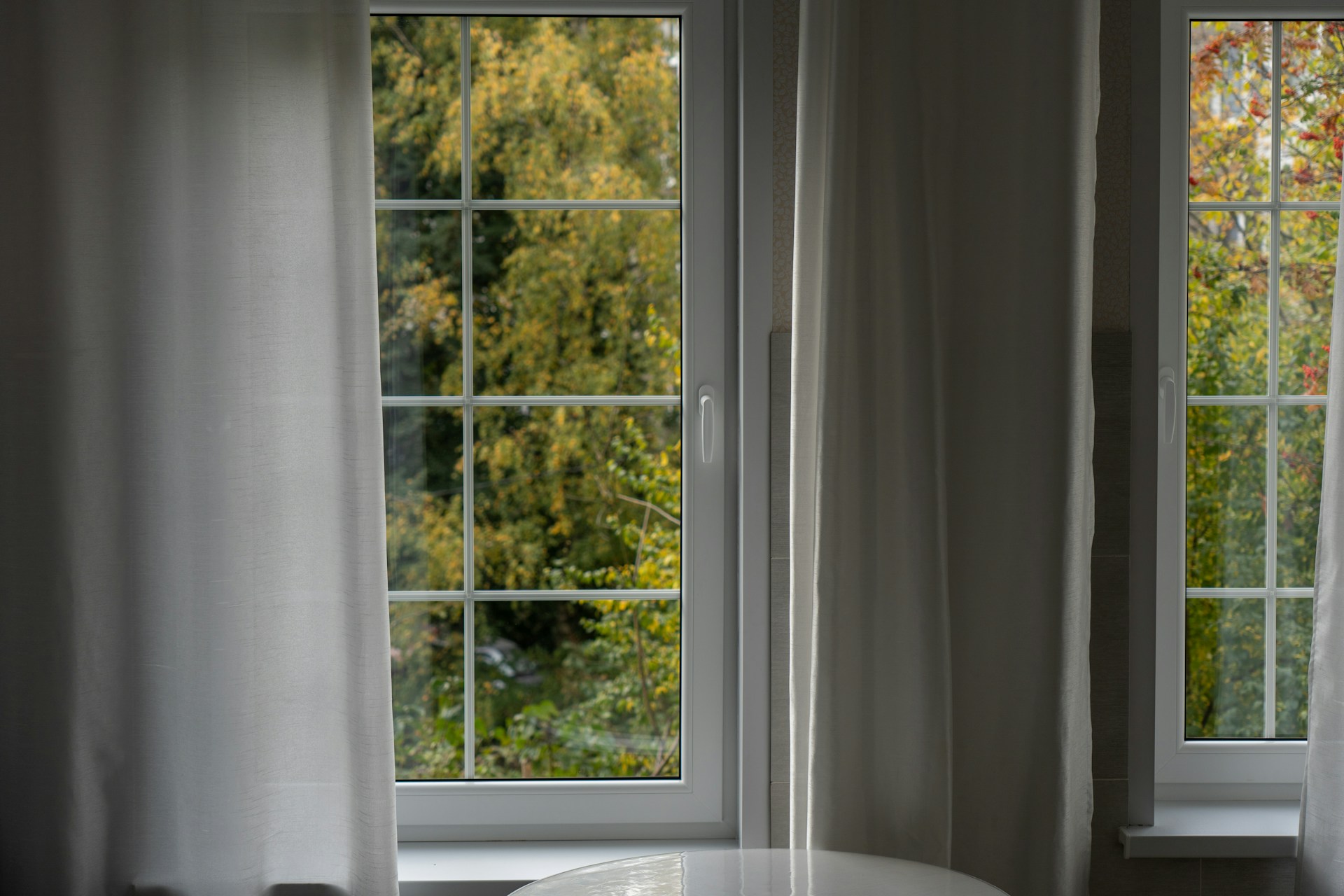
Opt for double glazing
Although the soundproof windows cost is higher upfront, double glazing will practically shield your property from outside noise. It’s especially worth it for properties in central or densely populated areas, where outside noise is a real issue. The advantage works both ways too: noise from inside barely escapes either.
Decorate with rugs, curtains and blinds
Softer materials, particularly anything with a bit of pile or texture, absorb sound waves and cut down on echo. Rugs in particular can also help seal gaps and reduce noise transfer.
Make use of bookshelves
Bookshelves, beyond their cultural and decorative value, also help insulate your property. So there’s no excuse not to fit a little library into your holiday home. Professional interior designers often stock up on second-hand books cheaply, usually found online.
Invest in quiet appliances
Old appliances are a common problem in some holiday rentals: washing machines that sound like they’re about to take off, and dishwashers that sound like they’re containing a tornado. The best approach is to keep them updated and choose ones with moderate energy use. You can also set house rules limiting the hours certain appliances can be used.

Noise control strategies for your holiday rental
Beyond the purely physical side of things, there are management approaches that will help you avoid noise and maintain good relations with the neighbourhood, as well as between guests sharing the same holiday experience.
Target a quieter crowd
To control noise, prevention is always the best solution. In this case, that means targeting the kind of guest who’s less likely to make noise: people who spend most of their time out exploring the destination, guests travelling for work, and older visitors who aren’t especially interested in high-energy activities. If noise is a real issue or you’ve had complaints from neighbours before, asking your guests to complete a short pre-booking questionnaire can help you understand what they are actually looking for. You can also consider not accepting bookings from large groups as well as bachelor/bachelorette parties.
Set clear rules
Both before and during the stay, make sure you share your house rules with guests, especially anything relating to noise. Do this in advance, and guests will be properly informed and able to plan around it.
Set a limit on guests and pets
Whether you’re communicating with guests directly or through your listing on a booking portal or website, always state the maximum number of guests allowed. This helps keep noise under control, since more people in a property generally means more noise.
Encourage communication with your neighbours
This is always worth doing, but even more so with something as sensitive as noise. Keep the lines of communication open with your neighbours. You’ll learn which times of year are more noise-sensitive and when there’s likely to be more flexibility (during local festivals, for example). This will help you cut down on noise complaints about your holiday rental.
Make the most of new technology
Advances in technology mean there are now apps designed specifically for acoustic comfort and insulation. Most properties just need a smartphone with a microphone to monitor noise levels and flag if they go over the permitted decibel limit. Some brands sell their own noise monitors, including Airbnb, which helps both hosts and guests keep a close eye on decibel levels as part of a broader approach to reduce noise in Airbnb properties.
How to deal with noisy guests
Although it’s not a pleasant conversation to have, sometimes you’ll need to deal with noisy guests. The best approach follows the old saying: a quick chat solves most things. If a neighbour raises a complaint with you, your first message can always go through instant messaging, an app, or even a text. If it carries on, it’s better to call and have a direct conversation encouraging the guest to keep the noise down
To avoid this kind of situation altogether, it’s best to be clear from the outset and explain the possible consequences. Keep communication with guests direct, so nothing gets lost or misread. And if they do turn the volume down after a warning, don’t forget to thank them for it.
Now that you know the main methods for soundproofing a holiday home and how to manage situations with potentially noisy guests, you’re ready to put these ideas into practice in your rental business.