How to protect your holiday home from storms
July 2026
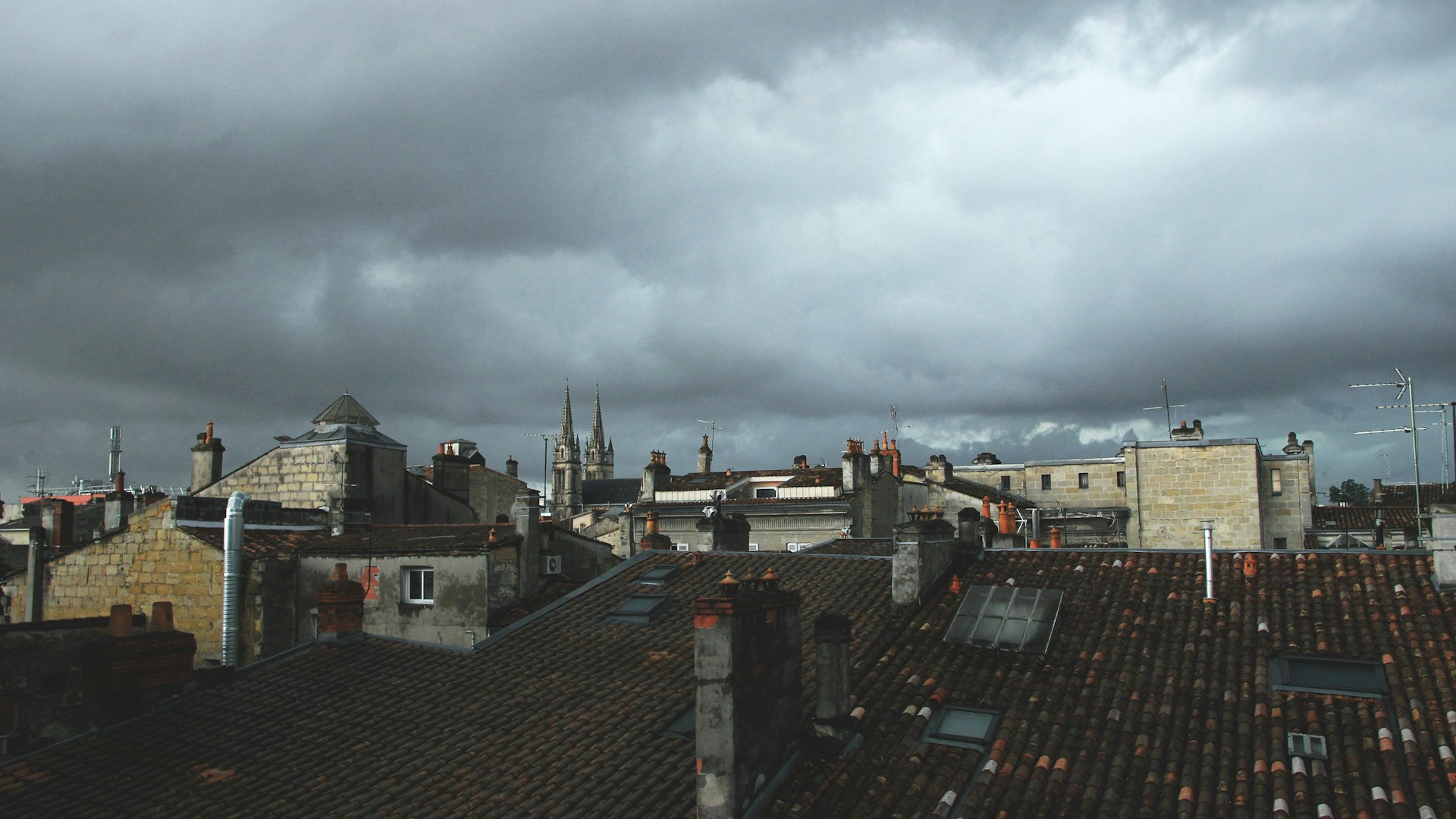
Heavy rain and strong winds have become an increasingly common feature of winter in the UK, with intense storms bringing flooded streets and causing real damage to properties.
Many parts of the country are affected by this, and it’s a trend that’s hard to separate from the wider conversation about climate change and how it’s driving more extreme weather.
Because these events are so unpredictable, it’s essential for any property owner, including hosts letting out a holiday rental, to understand how to protect their homes from flooding and get the properties ready for the winter tourism season.
If you advertise your holiday home on a booking platform like Holidu, keeping it protected from cold and bad weather matters even more, since a poor guest experience can easily lead to a bad review, which can hurt your business long-term.
So, to avoid putting your property and your reputation at risk, it’s worth reducing the chances of leaks, flooding, power cuts or other damage. Prevention really is everything here. This guide covers the most important things to think about when it comes to storm proofing house exteriors, and the preventative steps that will help your holiday home stand up against the cold and the storms.
Protecting a holiday home from bad weather
There’s a lot of talk about flood protection for homes, but plenty of owners aren’t quite sure where to start when it comes to avoiding complicated, costly situations. That uncertainty is often exactly what stops people acting in time, before problems actually happen.
Some of the precautions worth thinking about include:
- Making sure water can drain away properly
- Checking access points like the roof, doors and windows
- Reorganising outdoor and vulnerable spaces
- Carrying out preventive maintenance
1.Make sure water can drain away properly
One way of protecting your home from flooding is to keep gutters and drains clear, removing leaves, branches and other debris. When they’re blocked, these structures can’t drain rainwater properly, which leads to leaks that can become dangerous and difficult to fix.
It’s also essential to keep drains and soakaways clear to stop water backing up when rain gets heavier. Terraces, patios and driveways are particularly vulnerable spots worth checking regularly.
2. Check access points like the roof, doors and windows
Knowing how to weatherproof a house starts with checking the roof, doors and windows.
The roof is one of the most important structures in the property, so if tiles are loose, cracked or broken, storms will find it much easier to cause leaks and damage. Good roof waterproofing should be enough to make it resilient and keep your holiday home protected, even in heavy rain.
Doors and windows should also be properly sealed for extra protection. Replacing old seals and applying silicone sealant to gaps and corners helps keep out rain and cold, improving comfort indoors and helping to prevent flooding. It’s also worth closing shutters or blinds whenever a storm warning is issued, or even suggesting guests do the same.
3. Reorganise outdoor and vulnerable spaces
When letting out your holiday home, it’s worth thinking about the type of property you have. A house with a garden, for example, means that when winterising a house like this, you’ll need to remove all outdoor items, including garden furniture, pots, awnings or anything else that could be damaged or blown around and cause structural damage.
As part of this reorganising, it’s also worth checking your guest emergency kit, making sure you’ve got torches, batteries, a first aid kit, drinking water and some basic safety information available in a few different languages. This small effort can make a real difference to your reviews, if a storm does affect your guests’ stay.
4. Carry out preventive maintenance
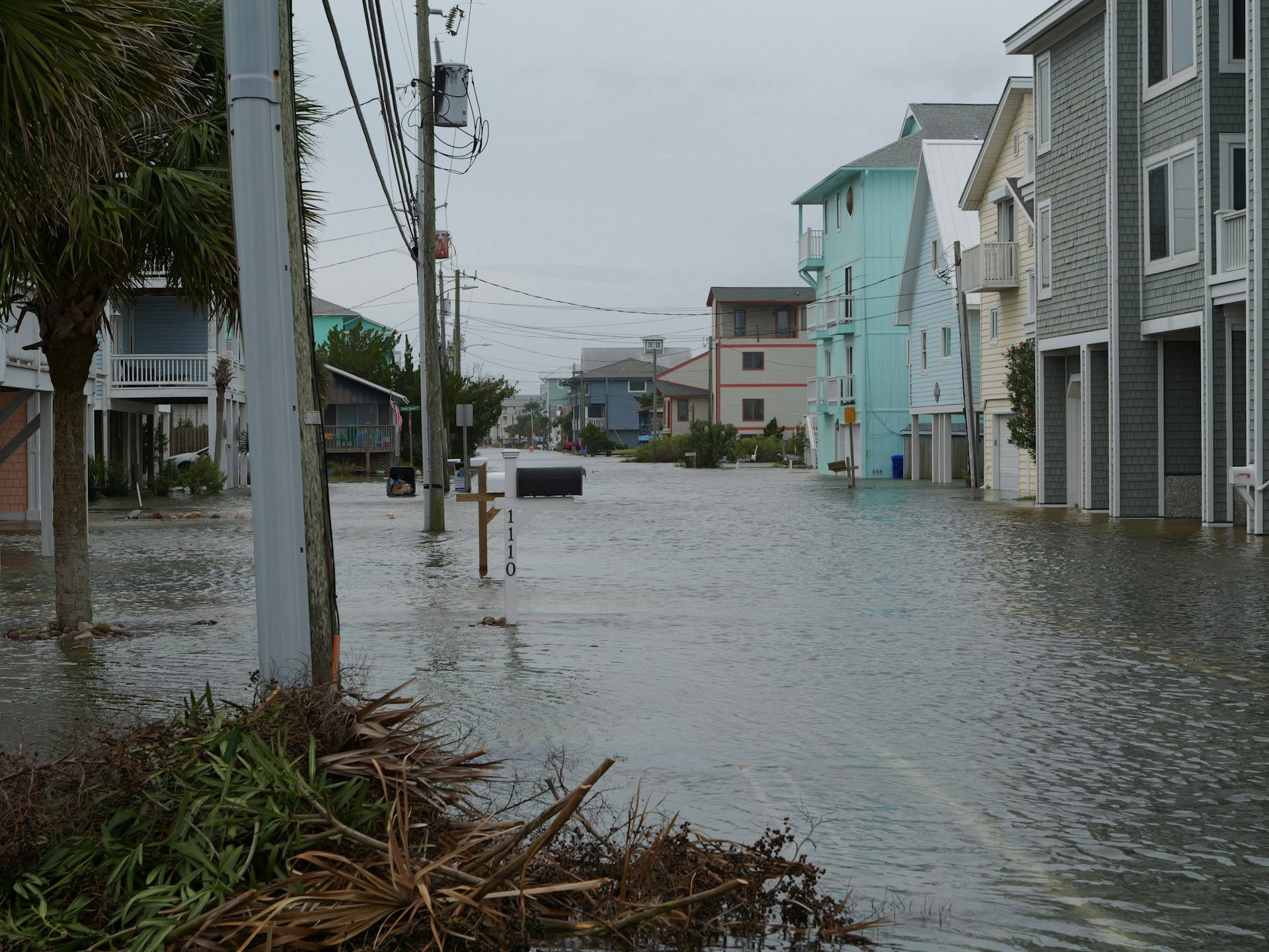
Preventive maintenance is crucial and as the old saying goes, prevention is better than cure. If your holiday home is on the ground floor, make sure that when a storm warning is issued, you install flood barriers for doors. This can save you a lot of money in damage by preventing flooding altogether, or at least keeping it to a minimum.
It’s also worth investing in any necessary repairs ahead of the bad weather season. Below, we’ll go through what to consider as part of this kind of maintenance.
Preventive maintenance: the key things to consider
To ensure proper storm damage prevention, there are several things to keep in mind, including regularly inspecting the condition of your holiday home and repairing any damage you find. On top of that, it’s worth reinforcing waterproofing and insulation across the property, both to prevent storm damage and also to make it more comfortable temperature-wise. Checking and improving the roof and windows, along with insulating the property as a whole, are essential parts of any winter property maintenance routine.
Roof: the first step
When bad weather hits, the roof is your best friend when it comes to how to protect your home from storms, so it’s worth taking care of it before problems appear.
Start by checking the tiles and replacing any that are damaged. Make sure it’s properly waterproofed with waterproof membranes, roofing felt or liquid membranes, and reinforce tiles and eaves so they’re securely fixed and ready to withstand strong winds. Also check that gutters and other drainage points are clear so water can run off properly. This is essential to avoid nasty surprises like flooding or flood damage repair further down the line, both of which are costly and can seriously affect your guests’ experience.
Windows: comfort and safety
Windows are key to properly insulating your property, and as a precaution, it’s worth replacing worn-out seals and applying silicone or other sealants to keep out rain and cold.
It’s also worth investing in laminated or double glazing, along with replacing shutters or blinds that can act as a barrier against heavy rain or flying debris in strong winds.
General insulation and other precautions
When letting out a holiday flat, it can also be worth investing in external or internal insulation, using waterproof sealants and water-resistant paint – particularly in rooms most prone to leaks.
Raising electrical panels or appliances can also make sense on lower floors (basements, ground floors or street-level flats), so that if water does get in, it doesn’t cause electrical problems.
Adding a dehumidifier or air conditioning with a dehumidifier function can also help stop rising damp from causing mould on interior walls.
Liability and multi-risk insurance for your holiday home
Alongside all the precautions above, it’s essential to have proper holiday home insurance UK hosts can rely on. This is a legal and financial safeguard every host should have. You should make sure your policy covers water damage, flooding, subsidence, damage to the property’s contents and third-party liability. That last point matters in particular, since it covers accidents or damage caused to other people because of the state of the property.
Bear in mind that for weather-related damage claims, you’ll often need to provide evidence based on Met Office data, along with photos, videos and invoices.
This kind of insurance can, in some cases, mean you’re able to repair the property without it having a serious impact on your finances.
Checklist: 10 tips for preparing your holiday home for winter
Here’s a short winter home maintenance checklist to help make sure your holiday home is ready to face the winter, staying safe and welcoming:
- Check the roof and seal doors and windows
- Carry out any outstanding repairs
- Reinforce thermal insulation
- Put together an extra kit with storm essentials
- Communicate safety measures to your guests
- Remove outdoor furniture and accessories
- Prepare rooms that are vulnerable to flooding
- Protect electrical panels and appliances from damp by raising them
- Install air conditioning (optional)
- Make sure the inside of the property stays comfortable
In short
Climate change is making the weather increasingly unpredictable. The UK is now seeing more severe storms, so winter proofing a holiday home isn’t a luxury, it’s a genuine necessity. If you advertise your holiday property on a booking portal like Holidu, where guest reviews are crucial to your success, it’s worth carrying out preventive maintenance to avoid negative experiences like leaks and flooding.
Beyond avoiding negative feedback, this kind of care will help keep your property in good condition, protect your reputation and stop real damage from hurting you financially.