Recycling and waste rules for holiday rentals in the UK
A host's guide to bins, business waste and keeping guests on the right track
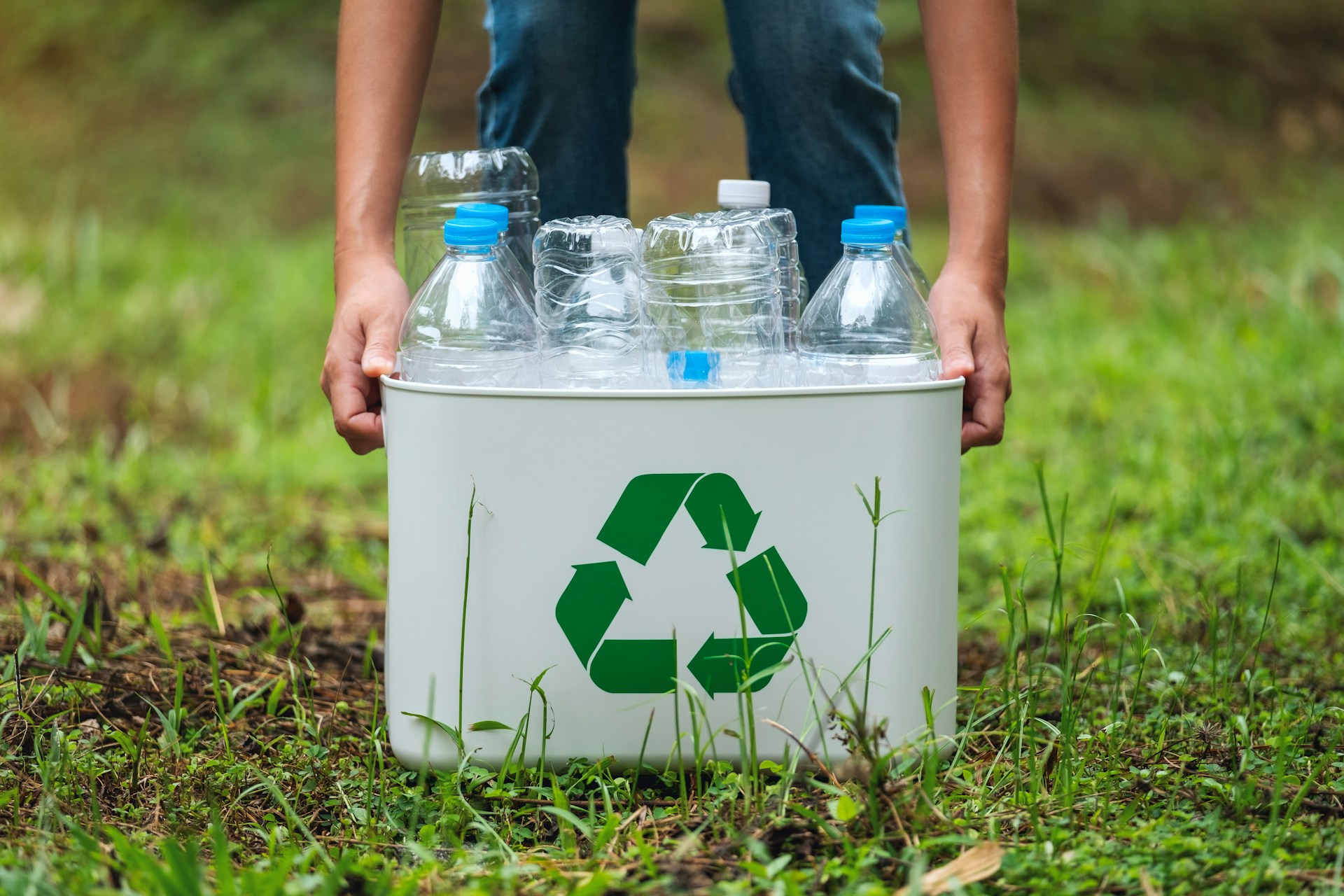
July 2026
Between one check-out and the next arrival, there’s usually a box of bottles by the back door, a bag of leftover food and a recycling bin that the last guests packed with all the wrong things. Waste management is one of those quiet jobs that never makes it into the welcome photos, yet it quietly shapes how tidy your property feels and whether you stay on the right side of the law. And here’s the part that catches a lot of hosts out: the moment you let your property commercially, your rubbish stops being ordinary household waste and starts being treated very differently.
Your holiday home counts as a business for waste
This is the bit most new hosts don’t expect. Under the Controlled Waste Regulations 2012, self-catering accommodation and holiday rentals are classed as commercial waste producers, not households. In practice that means you can’t simply put everything out with your own domestic bins. By law, you’re expected to arrange a commercial waste collection for the rubbish your guests generate.
You also carry what’s called a duty of care under the Environmental Protection Act 1990. In plain terms, you have to store your waste safely and make sure it’s handled by someone legally allowed to take it. When a licensed collector picks it up, you’ll get a waste transfer note (or an invoice with the same details), and you need to keep a copy for two years. It sounds formal, but it’s really just proof that your rubbish went where it should.
What goes in the recycling bin, and what doesn’t?
Guests are the great unknown here. Some sort carefully, others tip everything into one bag. A clear, visible system does most of the work for you, so it helps to know exactly what goes in the recycling bin.
What you can recycle
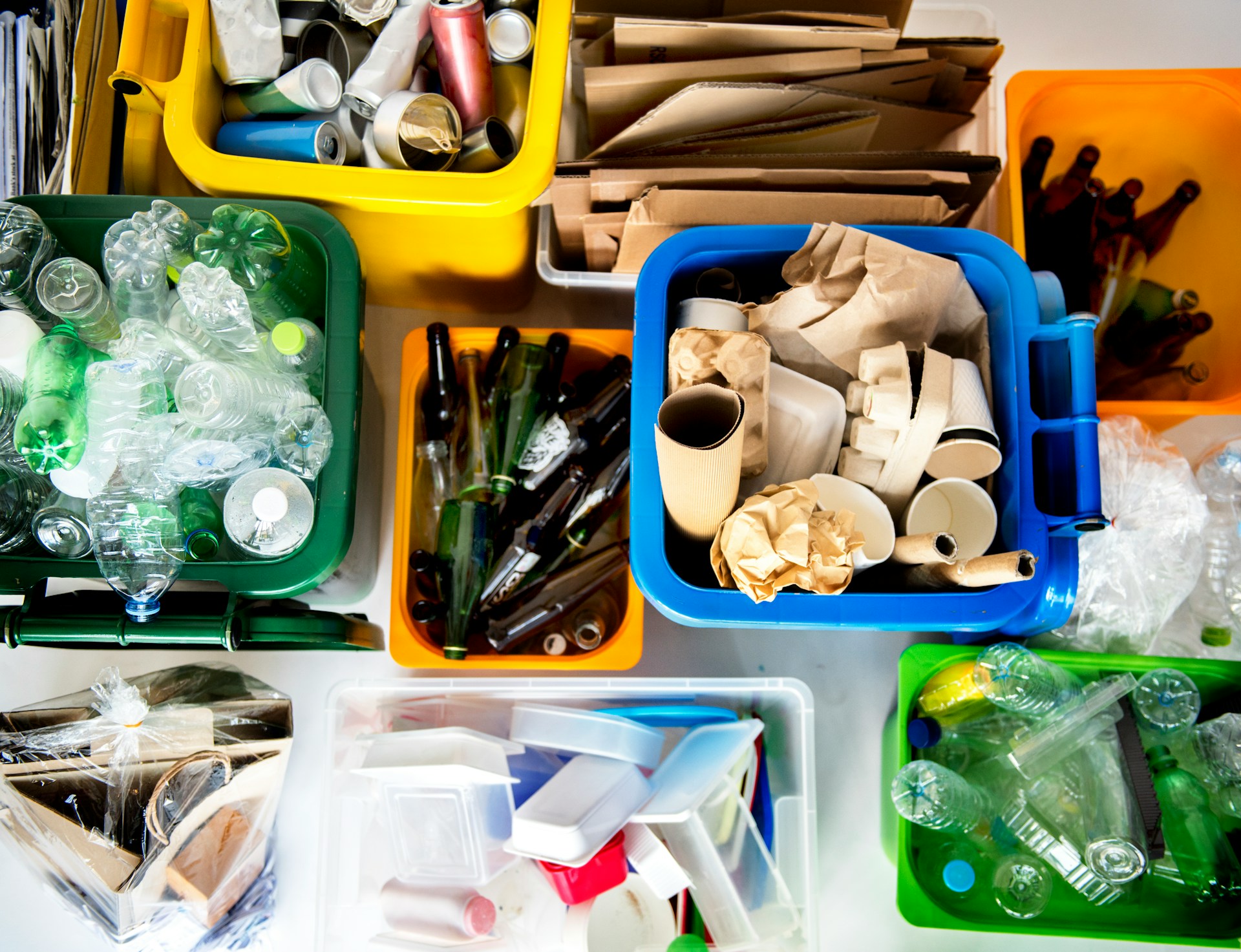
Across England, collections are being brought into line so the same core materials are accepted everywhere. The main recyclable streams are:
- Glass bottles and jars
- Metal, such as tins, cans and foil
- Plastic bottles, pots, tubs and trays
- Paper and card
When it comes to plastic recycling in the UK, one change is worth flagging to guests: plastic film and carrier bags aren’t collected everywhere yet, but they’re due to be added to plastic collections from 31 March 2027. Until then, keep them out of the recycling.
What not to put in recycling
Getting general waste vs recycling right matters, because one contaminated load can send a whole batch to landfill. As a rule of thumb, the things to keep out of recycling are:
- Food-soiled packaging, like greasy pizza boxes
- Nappies, wipes and tissues
- Broken drinking glasses, mirrors or ceramics
- Soft plastic film (for now)
If you’re ever unsure how to recycle correctly for a specific item, your local council’s website lists exactly what it takes, since collectors can vary slightly on the finer points.
Food waste recycling deserves its own bin
Leftovers are unavoidable in a holiday home, so food waste recycling is worth setting up properly. Food waste has to be collected separately from the rest, kept apart from your general rubbish and your dry recycling. A small caddy on the kitchen counter with compostable liners is usually all it takes to nudge guests into the habit. Peelings, plate scrapings, teabags and out-of-date food all belong there rather than in the bin.
The Simpler Recycling rules every host should know
England’s recycling rules changed under a reform called Simpler Recycling, and because your property is a business, the workplace side of the rules is the one that applies to you.
Larger operations with 10 or more full-time employees have had to separate their waste into recycling, food waste and general rubbish since 31 March 2025. If you’re a smaller host, which most private owners are, you fall under the micro-firm category, and the deadline to comply is 31 March 2027. Either way, the direction of travel is clear, so setting up separate streams now saves a scramble later. Ignoring it isn’t a great idea: the Environment Agency can issue a compliance notice, and failing to act on one can lead to enforcement.
Simple ways to reduce waste in your holiday home
The best waste is the waste you never create. A few small choices make a property feel more considered and cut your collection costs at the same time. Here are some practical tips to reduce waste that work well in a rental:
- Swap single-use toiletries for refillable dispensers
- Offer a water filter jug instead of plastic bottles
- Leave out reusable shopping bags for guests
- Provide clearly labelled bins so sorting is obvious
- Buy welcome-basket items with minimal packaging
Little touches like these are what turn an ordinary listing into a genuinely eco-friendly holiday home, and increasingly that’s something guests actively look for. Pinning a short, friendly recycling guide inside a kitchen cupboard, showing which bin takes what and when collection day falls, is one of the simplest ways to keep everything running smoothly while you’re not there.
Keeping guests on the right side of bin day
The tricky thing about recycling is that your guests are the ones filling the bins, and they’ve no idea how your local collections work. Left to guesswork, they’ll mix streams, miss collection day and leave you re-sorting a caddy at changeover. A little communication at the right moment prevents nearly all of it.
That’s where Holidu’s Guest Connect can help. It’s a tool for scheduling automatic guest messages, so you can set a note that lands a day or two before check-out explaining exactly which bin takes what and when collection happens, without you typing it out every single time. Holidu’s teams work across seven European markets and see how local waste rules shift from one region to the next, which is the sort of practical knowledge that makes those little guest prompts genuinely useful. If a guest still has a question, the Holidu AI Assistant can field it around the clock so it never lands on you mid-turnaround.
Sorting rubbish will never be the glamorous side of hosting, but get the system right once and it more or less looks after itself, leaving your property tidy, compliant and ready for the next arrival.