How to Turn a Rural Country House into a Profitable Rental
July 2026
If you want to turn a rural home into a profitable enterprise, now is the time. As more and more travellers try to get away from the hustle and bustle of the city, country holiday rentals are growing in popularity. Here’s how you can join this hot trend.
Country holiday rental: embrace the rustic side of life
A country house can present an excellent opportunity for a holiday rental landlord, but it’s not without its downsides. Before you decide to rent out holiday apartments in the countryside, consider the pros and cons.
First, the advantages:
- A country house can accommodate a large number of guests, so you can charge a suitably high price.
- A country house is spacious, giving you plenty of room for development and upgrades.
- Country house guests are often looking for the chance to get away from it all. They may be less likely to have wild parties.
- Country houses are often set on their own grounds, with no other properties sharing a wall. This means you won’t have to deal with neighbour disputes.
- Country houses can be very cheap investments. They’re often a good choice for a landlord on a budget.
Naturally, there are also some disadvantages:
- Country houses may be more seasonally dependent than urban rentals. You should be prepared for your property to stand empty for long periods of time.
- Country houses are, by their very nature, isolated and remote. How will you cope if there’s an emergency or if guests need assistance?
- When you rent out a holiday home in the country, you may be limiting your potential target audience. For example, you’ll probably only attract guests with their own means of transport.
- Country houses are often older buildings that require a significant amount of maintenance. You might be able to buy a bargain property, but how much will you need to spend renovating it?
Naturally, country holiday rentals are not for every landlord. You might prefer to rent out a holiday apartment in the city centre, which will offer a very different business experience.
Investing in country houses for holiday rentals
If you want to buy a country house, you’ll need to think carefully before signing a contract. Not every rural property has the potential to become a lucrative holiday home. Considerations should include:
Location
The ideal country house is located in a quiet, picturesque village with the potential to attract tourists. If you don’t know the area well, think about why guests will want to travel there. Is there an annual cultural festival nearby? Are there great hikes in the surrounding area? Is it an area of outstanding natural beauty?
Market research
Search a holiday rental portal for similar properties in the area. If there are none, that’s a bit of a red flag. It’s much easier to attract tourists who are already considering a stay in your area. Starting a holiday rental in a place that has no existing tourist industry is a recipe for disaster.
You should also check how much nearby properties are charging and what sort of amenities and services they offer. This will give you an idea of what you can expect from your property. Be honest about how it measures up to the competition.
The property itself
How big is the property? What sort of state is it in? How much renovation work will it need to get ready for guests?
Does it have a garden? Guests who stay in country holiday rentals often want to be close to nature, so an outdoor space is a huge selling point. That being said, a large garden will obviously require a lot of upkeep to look its best.
Transforming a country house into a holiday rental
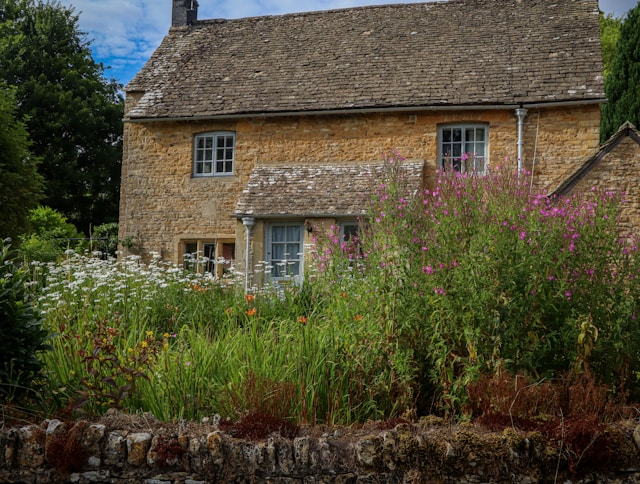
Creating a rural home that is warm and inviting to guests can be difficult. There’s one crucial consideration for holiday rental landlords here. When guests go to stay in a city, they are usually travelling for the destination — they want to go sightseeing, see a concert, do business, or whatever. However, when they come to a country home, they are travelling for the property. Your rental must be a destination in and of itself.
With that in mind, you’ll need to make sure it stands out and is suitably attractive to guests. Here are some tips to get you started:
- What is your unique selling point? Can your country house accommodate large numbers of guests? Does it have a fabulous garden, or is it close to an amazing national park? Is it pet-friendly? Is it the perfect family home or an ideal spot for a couple seeking a romantic hideaway?
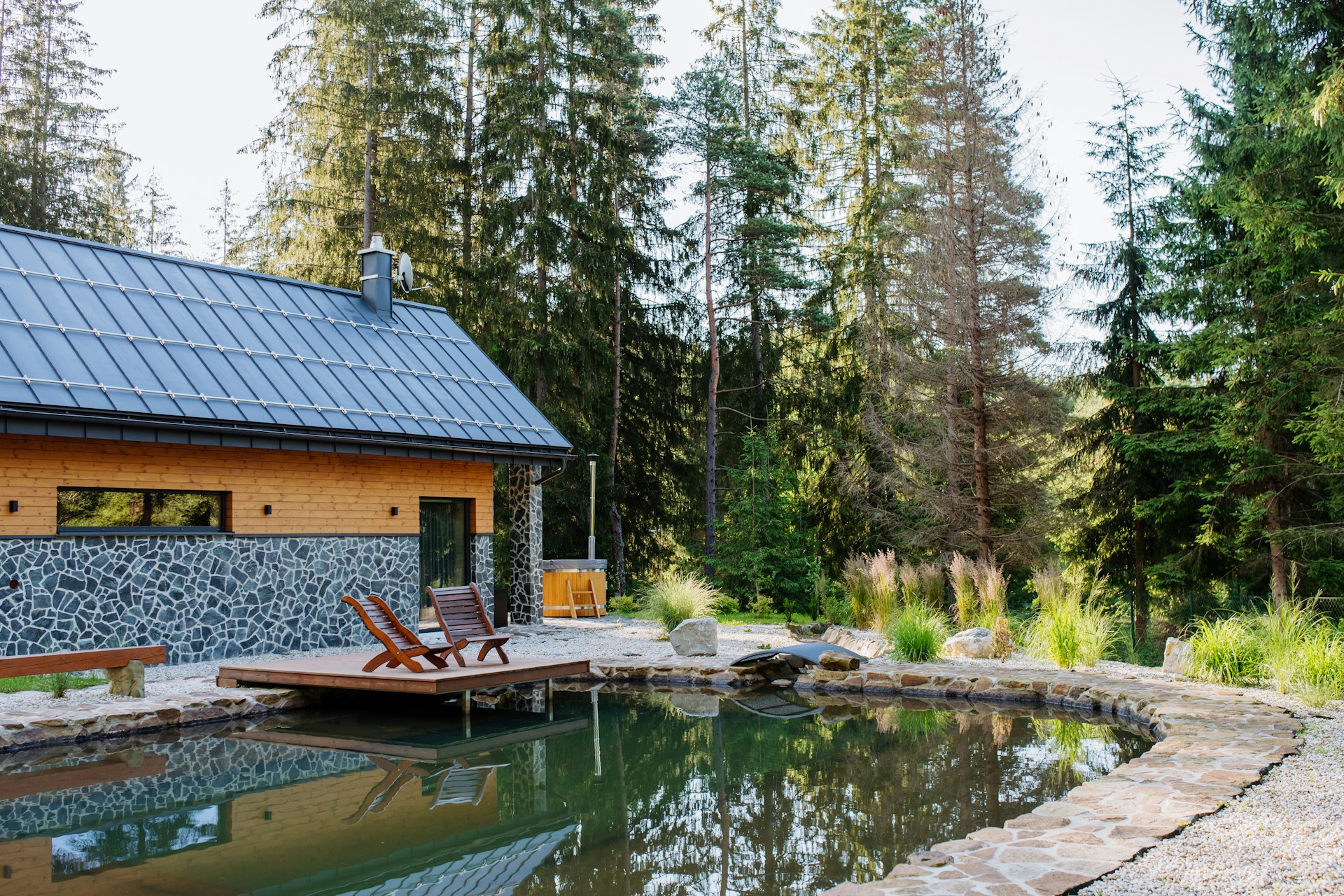
- What amenities will you offer? Can you put a swimming pool in the garden? What about a hot tub or even a sauna for a special country spa feeling? Is there room for children’s play equipment outside?
- What sort of decor are you going for? Do you want it to be a rustic, traditional cottage or a surprisingly modern interior filled with all kinds of smart appliances? How about a special bohemian style?
- Who is your target audience? What does your ideal guest look like? If you’re targeting families when you advertise holiday homes, you might want to fit a bedroom with bunk beds, for example.
Answering these questions will help get you started on your transformative journey. Don’t neglect the practical side of things when you renovate your country home, and make sure it meets all the relevant safety standards. Install smart equipment if you want guests to have a comfortable stay. You may need to install extra plug sockets, as often old rural homes are lacking in these.
Make sure you consider ongoing cleaning and maintenance, too. Are you local to the country home, or do you know someone who is? You’ll need to have someone on the ground to help run your property, which you can work out in advance to prevent headaches further down the line.
How to advertise a holiday home in the countryside
Your holiday rental website should focus on the rural charms of your property. Choose pictures that emphasise the natural beauty of the surrounding area, and make sure your blurb mentions the peace and quiet that guests can expect.
There are two key areas to focus on in your marketing. Firstly, what can guests do in your home? Can they swim, use a sauna, play board games, cook, work remotely, or just relax? Secondly, what can they do in the surrounding area? On your website, you can talk about nearby trails and places of interest. You may also want to mention amenities in the village or local area. Guests will want to know if there are shops, restaurants and pubs available when they stay in your countryside holiday rental.